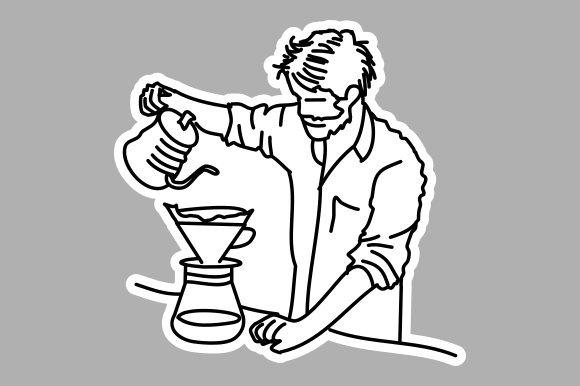
Hand-Drawn Barista Pouring Coffee
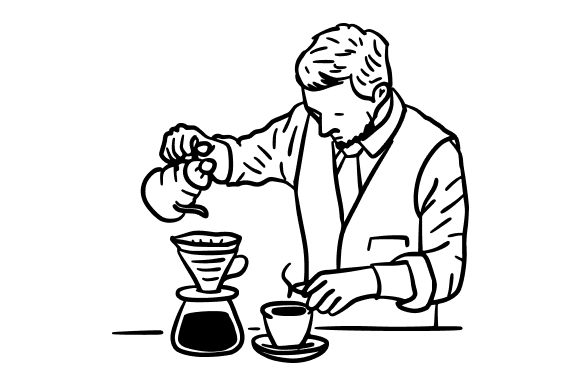
As a designer and embroidery product reviewer, I’ve seen countless designs that look great on screen but fall apart in real-world use. Hand-Drawn Barista Pouring Coffee is one of those rare finds that bridges the gap between artistic appeal and practical application. This black and white sketch of a barista pouring coffee carries a warm, inviting energy that translates well into various embroidery projects. Let’s break down how it performs in real-life scenarios and what to consider before using it in your own work.
The First Impression
From the moment you lay eyes on Hand-Drawn Barista Pouring Coffee, it exudes a casual, approachable vibe. The line work is clean and confident, with subtle shading that gives depth without overwhelming the eye. It’s not overly detailed, which makes it ideal for a range of embroidery styles. The composition is balanced, with the barista and coffee pot centered in a way that feels natural and easy to place on different surfaces.
This design feels like it belongs on a custom tote bag, a sweatshirt, or even a baby onesie. Its simplicity allows it to stand out without being too busy, making it versatile for both personal and commercial use.
Real-World Embroidery Performance
When I first tested Hand-Drawn Barista Pouring Coffee on a cotton tote, the results were promising. The lines are clear, and the overall shape holds up well in machine embroidery. It works best with a medium stitch density, allowing the details to show without becoming too dense or stiff. For a more textured look, a satin stitch could be used on the coffee pot and the barista’s shirt, while fill stitches might add dimension to the background areas.
This design is particularly suited for custom apparel, such as t-shirts, sweatshirts, and caps. It also pairs well with baby items like onesies and blankets, where the softness of the illustration can complement the gentle nature of the product. The black and white style ensures it remains timeless, making it a solid choice for holiday gifts, wedding favors, or personalized presents.
Where to Use It Carefully
While Hand-Drawn Barista Pouring Coffee is generally reliable, there are a few situations where extra care is needed. On small hoop sizes, the design may require some trimming or repositioning to ensure all elements are captured properly. Textured fabrics, like denim or canvas, can sometimes make the stitching less crisp, so testing on a scrap piece is always a good idea.
Thin or stretchy fabrics may also pose challenges. A proper stabilizer is essential here to prevent puckering or distortion. Dark fabrics can make the black lines less visible, so considering a lighter thread color or adjusting the design for contrast might be necessary. If you're planning to use this on layered garments or curved surfaces like caps, you’ll want to test it thoroughly to ensure the placement looks natural and the stitching holds up.
Visual Appeal and Practical Value
Hand-Drawn Barista Pouring Coffee adds visual interest to any project without overpowering the rest of the design. Its minimalist style makes it easy to pair with other elements, whether it’s a simple text logo or additional illustrations. For small business owners and Etsy sellers, this design can elevate a product’s aesthetic, making it more appealing to customers looking for unique, handmade items.
When used in commercial embroidery projects, it maintains a professional look that aligns with brand identity. It’s also a strong choice for printable mockups and digital product previews, helping buyers visualize the final outcome before purchasing. The clarity of the design ensures that even when scaled down, the key elements remain recognizable.
Designer Notes for Best Results
Before committing to a project, always test Hand-Drawn Barista Pouring Coffee on scrap fabric. This will help you assess how the stitches interact with the material and whether any adjustments are needed. Checking the thread color contrast is crucial—especially if you’re using a dark fabric, where a white or light gray thread might provide better visibility.
Review the stitch density to ensure it matches your project’s needs. If the design is too dense, it may cause stiffness or wear over time. Confirming the hoop size is also important, as larger designs may need multiple hooping sessions. Pay attention to small details like corners and edges, as they can sometimes become distorted during the embroidery process.
Testing the design in both light and dark fabric backgrounds can reveal how it adapts to different environments. Using the right stabilizer will help maintain the integrity of the design, especially on delicate or stretchy materials. Always check licensing terms before selling finished products or digital files, as some designs may have restrictions on commercial use.
Best Fit for Your Projects
Hand-Drawn Barista Pouring Coffee is ideal for a wide range of applications, from embroidered patches and tote bags to baby clothes and holiday decorations. Its versatility makes it a valuable addition to any embroidery file library. Whether you’re creating handmade products for a craft fair, designing for an Etsy shop, or working on a boutique branding project, this design offers a balance of style and functionality.
For those who specialize in custom apparel or personalized gifts, it’s a safe bet that will resonate with customers looking for something unique yet familiar. Its black and white aesthetic ensures it remains relevant across seasons and trends, making it a long-term asset for your creative business.
Ultimately, Hand-Drawn Barista Pouring Coffee is a design that delivers on both form and function. With thoughtful execution, it can enhance your projects and add value to your offerings. Just remember to test, adapt, and respect the limitations of the design to ensure the best possible outcome for your clients and customers.