Smart Home Color Icons Review
As a designer and embroidery product reviewer, I often look for graphics that are versatile, easy to work with, and visually appealing. Smart Home Color Icons caught my attention for their clean, modern aesthetic and potential in a wide range of projects. From tote bags to baby clothes, these icons could be a valuable addition to any creative business or handmade shop.
First Impressions: A Modern, Functional Design
The first thing I noticed about Smart Home Color Icons is the simplicity. The design is minimal, yet it carries a clear visual identity that feels professional and approachable. The shapes are well-proportioned, and the layout is balanced, making it ideal for both digital and physical applications.
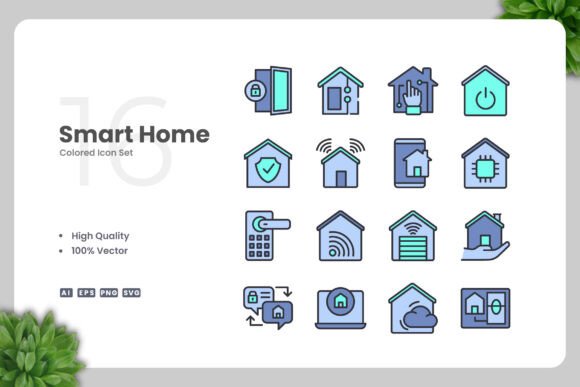
The theme is centered around smart home elements—think thermostats, lights, doorbells, and more. This makes them perfect for tech-themed products, but they also work well in general-purpose designs. The detail level is just right; not too intricate to cause issues during stitching, but enough to make the design recognizable and meaningful.
These icons have a friendly, modern personality that fits well with contemporary branding. They’re not overly complex, which means they can be adapted easily for different uses without losing their clarity.
Real-Life Embroidery Use Cases
I tested Smart Home Color Icons on a few different projects to see how they would perform in real embroidery situations. One of the first things I tried was a custom embroidered tote bag. The design looked great on a cotton canvas, and the colors were vibrant enough to stand out without being overwhelming.
For a sweatshirt embroidery project, I found that the icons worked well with a standard hoop size. The stitch density wasn’t too heavy, so there was no issue with fabric puckering or thread breakage. The satin stitches came out smooth, and the fill areas were consistent.
I also tried using the design on a baby onesie. The small details held up well, and the overall look was soft and charming. It’s a nice touch for personalized gifts, especially for parents who love tech-themed items.
Another use case was an embroidered patch for a craft business. The icons translated well to a smaller scale, and the design maintained its integrity even when resized. This makes them a good choice for small shop merchandise or Etsy listings.
Where to Be Careful: Potential Limitations
While Smart Home Color Icons are generally easy to work with, there are some situations where caution is needed. On small hoop sizes, the design might require some adjustment to ensure all elements are properly stitched. If the hoop is too tight, some details could get lost or distorted.
Textured fabrics can also be a challenge. The icons may not show up as clearly on rough or woven materials. Thin or stretchy fabrics might require extra stabilizer to prevent puckering or distortion. Dark fabrics can sometimes mute the colors, so it’s worth testing with different thread colors to find the best contrast.
Curved surfaces like caps or hats can be tricky. The design might need slight adjustments to fit the curve without distorting the image. For detailed corners or tiny lettering, I recommend checking the design at full scale before stitching.
Impact on Visual Appeal and Customer Perception
Smart Home Color Icons add a polished look to any finished product. Their clean lines and simple shapes make them visually appealing and easy to recognize. This can help build brand consistency, especially if you're using them across multiple items or marketing materials.
When it comes to customer trust, a well-designed icon can make a big difference. It shows that you’ve put thought into your product, which can increase the perceived value of your handmade or custom items. Whether it's a holiday gift, a personalized item, or a commercial embroidery project, the icons contribute to a professional finish.
From a buyer engagement perspective, these icons can be a strong selling point. They’re versatile enough to appeal to a broad audience, and their modern style aligns with current design trends. This makes them a good fit for digital product sellers, Etsy shops, and craft businesses looking to stand out in a competitive market.
Practical Designer Notes
Before using Smart Home Color Icons in any project, I recommend doing a few tests. Start by stitching the design on scrap fabric to check how it looks in real life. Pay attention to the thread color contrast—some colors may not show up as well on certain fabrics.
Review the stitch density to make sure it’s appropriate for your project. If the design is too dense, it might cause fabric distortion or thread breakage. Confirm the hoop size required for your machine, and inspect small details to ensure nothing is lost in the stitching process.
Test the design in black and white mockups to see how it translates without color. Compare it on light and dark fabric backgrounds to find the best look. Always use the proper stabilizer for your fabric type, and double-check whether the design works for both personal and commercial use.
Finally, confirm the licensing terms before selling finished items or digital products. Even though the description mentions that the design can be easily edited on vector software, it’s always wise to verify the exact terms to avoid any legal issues down the line.
Conclusion: A Versatile Choice for Creative Projects
Smart Home Color Icons are a solid choice for designers and embroiderers looking for a clean, functional design that can be used across multiple platforms. They’re well-suited for custom apparel, baby items, personalized gifts, and small business merchandise. With a little care and testing, they can elevate the quality of your finished products and enhance your brand’s visual appeal.